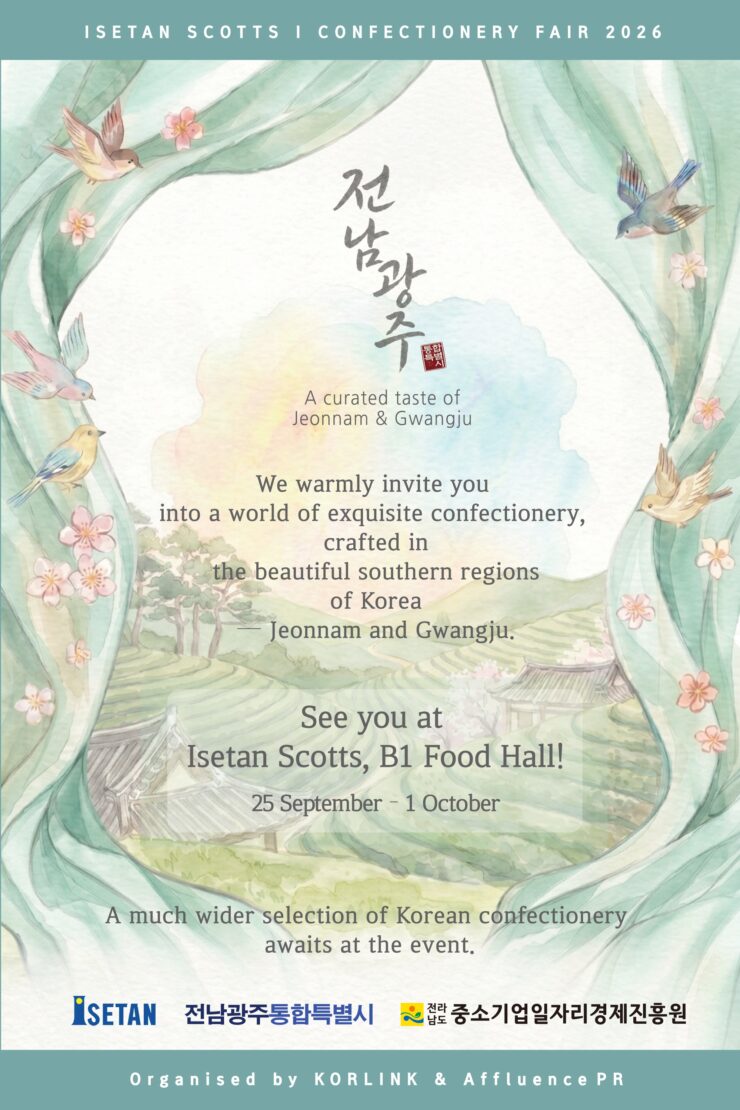
From Jeonnam’s Farms and Coastline to Gwangju’s Celebrated Food Culture, A New Wave of Korean Snacks Arrives in Singapore from 25 September to 1 October
Rather than focusing solely on Korean trends, a new Korean Regional Specialties Pop-Up spotlighting Jeonnam and Gwangju takes a different approach: instead of asking what is trending in Korea, it asks where the food comes from and how Korea’s diverse regions can offer a fresh perspective on snacking.
Korea’s regional cuisines have been shaped by geography, climate and local produce. Jeonnam-Gwangju, or Jeollanam-do, known as the “Kitchen of Korea”, is home to the country’s largest share of pesticide-free agricultural land and produces a significant portion of Korea’s agricultural and fishery output. The region’s unique combination of land and sea provides an abundance of agricultural and marine produce, shaping a food culture celebrated for its generous use of fresh, flavourful ingredients that is clean, natural and healthy. Gwangju itself is a major cultural and culinary centre of the Jeolla region, with a strong food heritage and close ties to Namdo cuisine where abundant local ingredients and bold, layered flavours are central to the dining experience.
This regional identity comes through in the seven-day pop-up housed under Isetan Scotts’ Confectionary Fair, which brings together specialty foods at the heart of Korea’s southwestern food culture. For Singapore consumers, it is an opportunity to discover regional ingredients and lesser-known Korean brands beyond familiar mainstream offerings.
From Korea’s Farms to the Snack Aisle – A Taste of Jeonnam and Gwangju
Snacks featured at the pop-up are guided by three principles: Regional – featuring ingredients and food traditions from Jeonnam and Gwangju; Current – presenting traditional Korean flavours in contemporary snack formats; and most importantly, Natural – focusing on recognisable ingredients, naturally derived flavours and lighter snacking options.
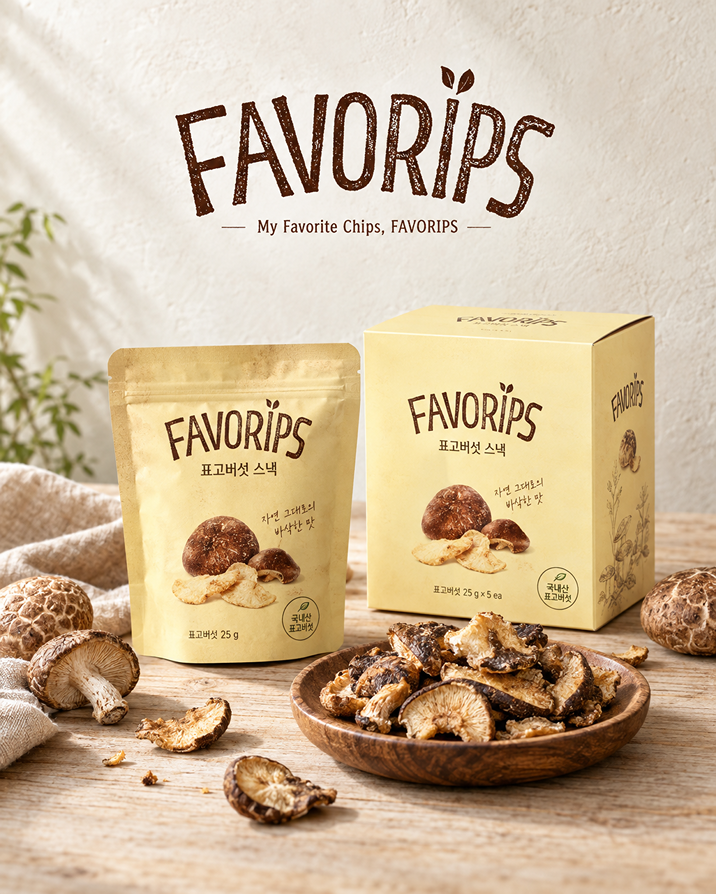
The pop-up features brands that transform familiar ingredients into unexpected treats, like Shiitake Mushroom Chips from FAVOURIPS that turn Korean-grown shiitake mushrooms into savoury, crunchy chips using Korean raw materials and technology, delivering the rich huge umami satisfaction of mushrooms in a lighter alternative to traditional chips.
Another signature of the region – fruit – is showcased through Berry and Fig Strawberry Chips made with freeze-dried strawberries from Jeolla-do, with zero added sugar and zero additives, while traditional confectionery is given a modern regional treatment through SIEOMNI-GA where Oranda, a Korean puffed-rice treat traditionally bound with syrup, is made with fig, strawberry and sweet potato that introduce familiar southern Korean ingredients in a colourful, contemporary snack format.
The wider selection at the pop-up spans the flavours of the region – from seaweed, kimchi and abalone to grains, sweet potato, pumpkin and soybean – demonstrating how familiar Korean ingredients can be transformed into convenient, healthy, contemporary snacks.
”The idea is to look at snacking differently – and this is where Jeonnam and Gwangju have excelled in creating delicious and satisfying snacks that are low in sugar and calories and overall healthier. Several brands and products will be making make their Singapore debut at the fair and we hope that Singaporeans will take this opportunity to explore the distinctive ingredients and food traditions of Korea’s southern regions,” says Korlink’s management, the organiser behind the debut.
The Korean Regional Specialties Pop-Up will be held from 25 September to 1 October 2026 at Isetan Scotts, Basement 1 Food Hall, Shaw House, 350 Orchard Road, Singapore 238868, from 10am to 9pm daily. Visitors who participate in the fair’s product sampling survey, will receive a complimentary Korean snack.
For more information about the pop-up, visit www.korlink.sg.