
Divorce is a challenging life event for any family, but for children, it can be particularly confusing and unsettling. On top of dealing with their parents’ separation, many children also face the added stress of moving to a new home. Whether relocating to a nearby neighborhood or a more distant place, the process can be overwhelming. So, today, we will focus on helping children adjust to this significant change and offer practical tips for making the transition smoother.
Understanding the Emotional Impact on Children
Children process divorce and move differently from adults. For them, a home isn’t just a place to live; it’s a source of comfort, safety, and stability. The thought of leaving behind familiar surroundings, friends, and routines can cause anxiety and fear. It’s crucial to recognize that each child will respond according to their age, temperament, and understanding of the situation. Parents can ease the emotional burden by acknowledging their feelings and offering reassurance.

Involving Children in the Moving Process
One of the best ways to help children feel more in control of the situation is by involving them in the packing process. Even small decisions, like picking out the color of their new bedroom or choosing decorations, can give kids a sense of ownership over their new space. This involvement helps them feel more connected to the new home, turning the experience from something that’s happening to them into something they are actively participating in. Offering them choices can make the move feel less overwhelming and more like an adventure.
Helping Kids Settle into a New Home with Moving Pros
Moving to a new home can be an overwhelming experience for children, especially after a divorce. The disruption of routines and the stress of adjusting to a new environment can affect their emotional well-being. That’s why professional help during the moving process is important—not just to ease the physical burden but also to allow parents to focus on helping children adjust. Hiring reliable moving assistance can take the pressure off, ensuring the move is as smooth and stress-free as possible. With moving services and professionals handling the packing and transportation, parents can dedicate more time to maintaining routines and providing emotional support to their children, helping them settle into their new surroundings more easily.
Creating Familiarity
Children thrive on familiarity. To ease the adjustment, it’s important to recreate elements of the old home in the new one. Keep some furniture, toys, and personal items in the same spots they were before the move. This will provide a sense of continuity and comfort. Establishing familiar routines, such as reading before bedtime or having family meals together, can also provide a comforting sense of normalcy. While the home may be new, these little details can make it feel more familiar and safer for children.
Helping Children Adjust Through Open Communication
Communication is key when it comes to helping children adjust. Parents should encourage their children to express their feelings and concerns about the move. Ask them open-ended questions, listen to their worries, and reassure them that their feelings are valid. By fostering open communication, parents can create an environment where children feel safe to talk about their emotions. Sometimes, children may need to talk about their fears multiple times before they feel comfortable with the change. Being patient and offering consistent support will help them process these feelings.

Building Routines and Traditions
Establishing new routines is essential for helping children feel grounded. Children thrive on routine, and having predictable schedules can provide them with a sense of security. This can be as simple as continuing to have breakfast together every morning or planning a new weekly family activity.
Maintaining a Connection to the Old Home and Friends
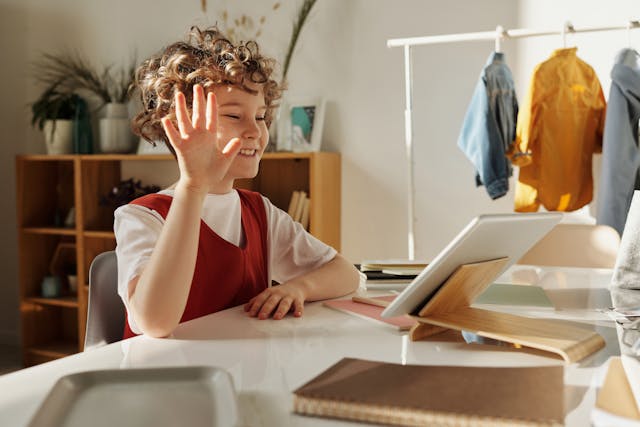
Moving doesn’t mean completely letting go of the past. It’s important to help children maintain connections to their old homes and friends. If the move is local, arrange playdates or visits to familiar places. If the move is farther away, technology can play a big role in keeping those relationships alive. Regular video calls, phone chats, and social media can help children stay in touch with their friends and feel less isolated. Maintaining these connections can provide stability during this process.
Getting Professional Help if Needed
Some kids may need additional support beyond what parents can provide. If a child is having difficulty adjusting to the new home or is showing signs of stress, anxiety, or depression, it may be time to seek professional help. A therapist or counselor can provide valuable strategies for managing these emotions and helping children adjust. Therapy offers a safe space for them to express their feelings and develop coping skills. If the emotional impact of the divorce and move feels too heavy, professional support can be vital.
Helping Kids Make New Friends
Making new friends is one of the biggest challenges children face after a move. This can be daunting, especially if they’ve moved far from their old neighborhood and school. Parents can help by encouraging their children to join local activities, teams, or clubs where they can meet new peers. Signing them up for school events or neighborhood activities can ease the social transition.
In Conclusion
The process of helping children adjust to a new home after divorce requires patience, understanding, and consistent support. Parents can create a stable environment where children feel secure by involving them in the move and maintaining open communication. Additionally, encouraging new friendships, keeping connections to the old home, and seeking professional help can make the transition smoother. Embracing the opportunities that come with a new environment can help children see the positives in their new surroundings. Above all, parents must give their children the time they need to adjust emotionally and physically. They must ensure they feel loved and supported throughout the process.
Images used:
https://www.pexels.com/photo/white-and-brown-wooden-tiles-3656855
https://www.pexels.com/photo/woman-in-blue-shirt-talking-to-a-young-man-in-white-shirt-8550841
https://www.pexels.com/photo/photo-of-child-smiling-while-using-tablet-computer-4145032
Nice blog and also very informative.
Description:
Jac Creations Media offers high-end professional photography services designed to capture powerful stories, emotions, and brand value through visually compelling imagery. In today’s digital world, high-quality photography plays a crucial role in brand building, marketing campaigns, and personal milestone celebrations. Whether it’s a wedding, corporate event, commercial shoot, fashion project, or lifestyle session, our team ensures every frame reflects creativity, precision, and artistic excellence.
We combine advanced camera technology, professional lighting setups, creative direction, and detailed editing techniques to deliver visually striking results. Our photography approach focuses on storytelling — capturing genuine emotions, authentic expressions, and meaningful moments that resonate with audiences.
For brands and businesses, our commercial photography enhances product presentation, brand credibility, and digital visibility. For individuals and couples, we preserve unforgettable life memories with elegance and emotional depth.
If you are looking for a trusted photography partner that understands aesthetics, technical perfection, and narrative storytelling, Jac Creations Media delivers exceptional quality and professionalism.
👉 https://jaccreationsmedia.com/