
Every child absorbs emotional cues from their parents. During stressful changes such as moving, your reactions shape how your children learn to cope. To model self-compassion for your kids, begin by treating yourself with patience rather than pressure. Calm honesty during challenges creates trust and emotional safety. When parents stay steady amid uncertainty, children gain courage and balance. Many thoughtful lessons in travel blogs remind us that even in tough times away from home, small acts of care—like resting, breathing, or slowing down—make transitions easier. The goal is not perfection but presence—the quiet message that says, “We’re learning side by side.”
What Does Self-Compassion Look Like for Parents?
Self-compassion begins with awareness. You notice your emotions instead of ignoring them. When exhaustion or frustration appears, pause instead of pushing through. This quiet pause becomes an example for your children. They learn that adults also need moments of care. Yet self-compassion does not mean avoiding responsibility. It means showing kindness to yourself as you correct mistakes. A parent who says, “I lost my patience, but I’ll try again,” teaches accountability with gentleness. Kids absorb this pattern without lectures. Over time, they mirror your attitude toward stress.

Why Do Tough Times Like Moving Make Compassion Hard but Crucial?
Moving challenges even the calmest families. Every box, every goodbye, and every new start carries emotional weight. You might feel pressure to stay positive while managing details and expectations. Yet children sense when you suppress emotions.
Therefore, admit when you feel tired or uncertain. Honest acknowledgment helps normalize imperfection. During these moments, your child sees resilience in action. Instead of hiding frustration, show how to handle it with care. This approach strengthens trust and emotional security.
Transitions such as moving test patience, yet they also reveal strength. You can use this period to demonstrate how real courage includes self-kindness. By handling difficulties with grace, you continue to model self-compassion for your kids.
When Words Fall Short, Actions Teach the Loudest
Every gesture during hardship sends a message. A calm tone when plans fall apart tells your child that peace is possible even in change. A soft apology after tension teaches humility without shame. These subtle acts shape how children later treat themselves.
For instance, when unpacking in a new home, slow down and involve your kids. Ask them how they feel, even if their answers seem small. Listening validates them. Smiles, hugs, and simple patience offer comfort that words alone cannot.
To make self-compassion more visible, consider these simple habits:
- Pause before reacting to stress.
- Speak kindly about your efforts, even when progress feels slow.
- Keep family rituals consistent during transitions.
- Use humor to release tension instead of harsh words.
Each of these actions strengthens emotional safety. They prove that kindness and control can coexist.
Create Safe Emotional Spaces After a Tough Situation
After a relocation, for example, both you and your children may feel unsettled. New schools, shifting routines, and unfamiliar faces can unsettle even confident families. Yet this season offers an opportunity to build a new sense of security together. Establish predictable daily rhythms that give comfort amid change and remind everyone that stability begins at home.
Small rituals—like shared meals, bedtime stories, or evening conversations—anchor the family’s spirit. Encourage your children to share what they miss and what excites them about their new surroundings. Honest talk replaces fear with curiosity and connection.
You will probably wonder how to help your children prepare for an international move, especially when the distance feels overwhelming. This process requires patience and openness rather than perfection. When families face the many challenges of moving abroad with kids, self-compassion becomes a vital skill. New customs or languages may cause uncertainty, yet admitting confusion and showing calm teaches adaptability. Children then learn that mistakes are not failures but pathways to understanding.
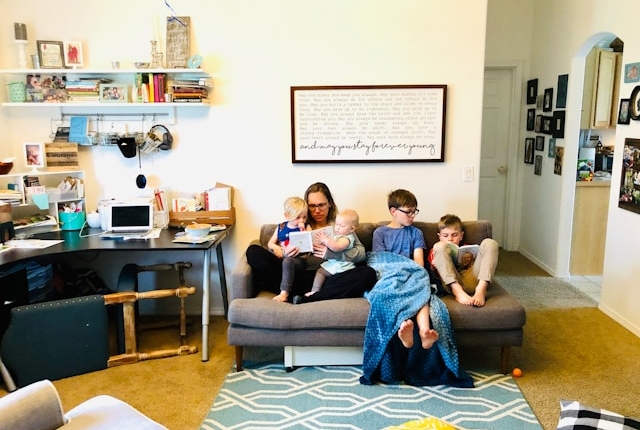
Use Connection as a Calming Force
During stressful seasons such as moving, family unity becomes a powerful source of peace. When schedules feel chaotic and boxes fill every corner, shared moments matter most. Connection reminds everyone that love remains steady even as routines shift.
For that reason, create space for laughter, shared meals, or evening walks. These moments reestablish balance and help children process emotions they cannot yet name. Simple togetherness turns anxiety into comfort.
As one parent described, cooking together after relocation became a bonding experience to treasure. The smell of food, the rhythm of conversation, and the warmth of shared effort softened stress. Through such ordinary rituals, you show your children that calm does not depend on circumstances—it grows from connection.
Practical Ways to Model Calm in Chaos
Stress invites reaction, yet awareness invites control. Parents who demonstrate calm through small acts teach emotional discipline. Begin by observing your own patterns. Notice how your tone changes when you feel overwhelmed. Then, choose one visible act that signals calm to your child.
For instance, when tension rises, pause and light a candle, take a deep breath. That brief ritual tells your child that it is safe to stop and reset. It also replaces impulsive reactions with thoughtful pauses.
You can introduce similar anchors throughout the day. Step outside for a moment of air. Stretch your hands. Repeat a short phrase that centers you. Every act builds resilience and signals safety. Over time, your child learns self-regulation through repetition and imitation.
Each calm action also supports your goal to model self-compassion for your kids. You are teaching them that control begins with awareness and that emotions deserve gentle handling.
Build a Family Culture Where You Will Always Model Self-Compassion for Your Kids
Families that value compassion grow closer under stress. When everyone practices patience and understanding, conflicts resolve faster. Begin with small steps—thank one another daily or praise effort over outcome.
Establish rituals that celebrate learning. Acknowledge mistakes without shame and keep humor close. These behaviors build trust. They also reinforce that love depends on acceptance, not perfection.
Every home can become a classroom for empathy. By choosing gentle responses, you teach that strength and kindness coexist. With each effort, you continue to model self-compassion for your kids, giving them a lifelong emotional compass.

Grow Together Through Change
Moving tests every parent’s endurance, yet it also opens paths for growth. When you treat yourself with patience, you teach your children to do the same. Every act of self-kindness becomes a quiet lesson in resilience. To model self-compassion for your kids means to live the lesson daily—through tone, patience, and care. Each move, mistake, or fresh start becomes proof that compassion holds families steady, even in uncertain times.
Images used:
https://unsplash.com/photos/a-man-talking-to-a-little-boy-in-front-of-a-car-0w0B7NltmKI
https://unsplash.com/photos/a-woman-covering-her-face-while-looking-at-a-laptop-yusHnkBhF3Q
https://unsplash.com/photos/2-women-and-man-sitting-on-gray-sofa-mLZjbyf49I4
https://unsplash.com/photos/a-couple-of-people-laying-on-top-of-a-bed-VfshxhTLY78
Luxury printed shirts for men have become the ultimate fashion statement for modern gentlemen who want to strike the perfect balance between elegance and individuality. Whether you’re dressing for a weekend brunch or an important business meeting, a luxury printed shirt instantly elevates your look. The versatility, craftsmanship, and creative prints make these shirts a must-have in every wardrobe.
https://refyndcasual.com/collections/men-linen-shirts
https://refyndcasual.com/collections/men-s-linen-kurtha
https://refyndcasual.com/collections/mens-clothing
Established in 2009, Manik Printpack is an ‘end to end’ offset printing & packaging company with the largest manufacturing plant in North India, operating from a 2 lakh sq. ft. facility with 40+ advanced machines. We deliver end-to-end sustainable packaging solutions, from design to production. Our vision is to be the world’s leading provider of eco-friendly packaging, and our mission is to help brands succeed with innovative, high-quality, and sustainable packaging.
https://manikprintpack.com/collections/boxes
https://manikprintpack.com/collections/printed-mono-cartons
https://manikprintpack.com/collections/cosmetics-personal-care
https://manikprintpack.com/collections/fsc-certified-packaging