
Children notice changes in their surroundings long before adults expect. Even small shifts in routine can affect their sense of safety and predictability. Because children rely on structure, uncertainty often creates emotional discomfort. When parents talk to kids about change, children gain a clearer understanding of what is happening. This clarity reduces confusion and fear. Over time, repeated conversations strengthen emotional security. As a result, children become more confident in facing future transitions.
Start With Your Own Reactions
Before speaking to children, adults must first examine their own emotional responses. Children constantly observe how parents handle stress. When adults appear overwhelmed, children often absorb that tension. Teaching your kid self-compassion helps parents manage internal pressure more effectively. This practice encourages patience and emotional awareness. With better self-control, parents communicate more calmly. Calm communication creates a safer emotional environment for children.
Explain Changes With Clear Examples
Children process change more easily when adults connect new situations to everyday experiences they already understand. A move affects where they sleep, play, go to school, and spend time with friends, so uncertainty often follows. To reduce that stress, parents can walk through the relocation step by step using familiar routines. For example, you can sort your belongings together, stock up on packing supplies as a family, and pack a box of essentials for the first night in the new home. Framing the process with a clear moving checklist helps simplify your relocation while giving children a sense of structure, progress, and control instead of feeling overwhelmed by sudden change.

Listen Before You Teach
Effective communication begins with attentive listening. Children need space to express worries before receiving guidance. When parents listen without interruption, children feel respected. This respect encourages deeper honesty. Ignoring emotional signals can lead to withdrawal. Silence, when used thoughtfully, allows children to process feelings. Through active listening, parents build lasting emotional trust.
Supporting Kids After Family Shifts
Family changes often create emotional uncertainty for children. They may worry about losing stability or security. After a divorce, these concerns may become stronger. Children frequently question whether relationships will remain dependable during times of change. They may worry about losing closeness with parents, siblings, or familiar caregivers. These concerns can surface through questions, silence, or emotional withdrawal. Parents must address these fears directly and patiently. Clear reassurance helps children feel emotionally supported.
Use Daily Routines as Anchors
Routines provide structure during unpredictable times. Familiar schedules remind children that life continues in stable ways. Morning rituals and bedtime habits create emotional comfort. These patterns reduce daily anxiety. When routines remain steady, children feel more in control. Control increases emotional confidence. Over time, stability strengthens adjustment.
Match Words to Developmental Stages
Children process information differently as they grow, which means communication must change with their development. Toddlers respond best to simple and concrete explanations because they rely on clear and immediate examples. As children enter school age, they begin to require logical connections between ideas. Teenagers, in turn, expect honesty and mutual respect in conversations. Adjusting language for each stage shows emotional awareness and sensitivity. Using the proper tone prevents misunderstanding and emotional distance.
How to Talk to Kids About Change With Confidence
Confidence makes difficult conversations more effective because it helps parents stay focused and calm. When parents prepare in advance, they feel less uncertain and more in control. Writing key points helps organize thoughts and maintain clarity. This organization prevents emotional reactions from taking over during sensitive moments. Calm delivery then supports emotional safety for children. Pausing during conversation allows children time to reflect and respond.
Strength Through Emotional Practice
Emotional strength develops through repeated guidance. Daily support teaches children healthy coping methods. Activities that support building emotional strength and raising resilient kids reinforce emotional awareness. Reflection exercises encourage self-observation by helping children notice their thoughts and reactions. Through this awareness, they begin to understand their emotional patterns. Creative outlets then provide healthy ways to release built-up tension. Over time, repeated coping experiences strengthen resilience.
Answer Hard Questions Honestly
Children often ask difficult questions during periods of change because they are trying to make sense of uncertainty. When adults avoid these questions, anxiety tends to increase. Honest answers help children feel emotionally secure and respected. Using simple explanations prevents confusion and false assumptions. If answers are unclear, admitting uncertainty builds credibility and trust. Reassurance should always follow honesty to restore emotional balance.
Help Children Name Their Feelings
Emotional awareness begins with proper language because children need words to understand their inner experiences. When children cannot describe what they feel, frustration often increases. Teaching emotional vocabulary brings clarity and direction to confusing emotions. Examples and stories help connect words to real situations. As children learn to recognize different emotions, self-control improves. Strong language skills reduce emotional outbursts and misunderstandings. This growing awareness leads to healthier emotional expression.
Create Safe Spaces for Discussion
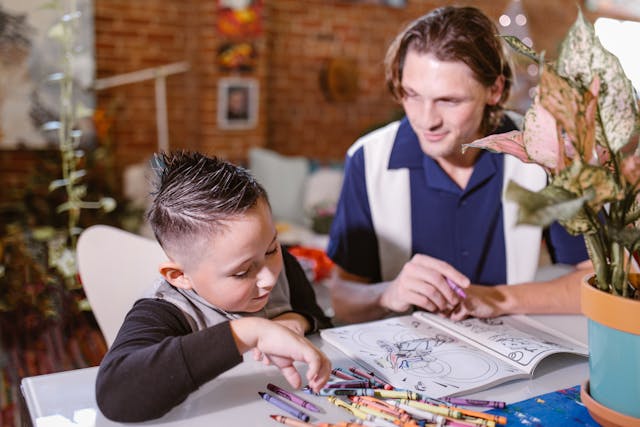
Children need environments where they feel emotionally accepted and respected. When families hold regular conversations, children learn that their thoughts matter. These ongoing discussions gradually establish safety and trust. In these moments, parents can gently talk to kids about change with empathy and patience. Providing privacy encourages children to speak honestly. Showing respect prevents fear of criticism or rejection.
Encourage Problem-Solving Skills
Problem-solving empowers children during transitions by helping them feel capable and involved. When parents include children in decisions, responsibility develops naturally. Through small choices, children begin to practice independence in safe ways. At the same time, parental guidance improves their reasoning abilities. Praising effort instead of perfection encourages persistence. When children learn from mistakes, confidence grows steadily.
Reinforce Stability Through Connection
Strong relationships protect emotional health by giving children a reliable sense of belonging. Daily interaction builds familiarity and trust, which makes children feel emotionally safe. Through shared activities, families strengthen bonds and create positive memories. Physical affection then reinforces this sense of security and acceptance. Verbal encouragement further supports self-worth and confidence. When parents remain consistently present, children feel less uncertain about relationships.
Growing Together Through Change
Change remains a constant part of family life. Children learn resilience through guided experiences. When parents talk to kids about change with patience and clarity, growth follows naturally. Honest dialogue prevents long-term anxiety. Supportive habits shape emotional maturity. Each conversation strengthens trust. This way, families grow stronger through shared adaptation.
https://www.pexels.com/photo/a-mother-and-daughter-sitting-together-with-their-son-4586630/
https://www.pexels.com/photo/a-new-homeowners-looking-at-the-house-while-carrying-a-box-7415093/
https://www.pexels.com/photo/woman-in-blue-long-sleeve-shirt-writing-on-white-paper-7104218
2 thoughts on “How to Talk to Kids About Change in an Age-Appropriate Way”